
Not every seed sprouts, even at ErinEarth. From smoke water to cuttings and dividing plants, a look inside our greenhouse is a reminder that gardening takes patience and a willingness to try again.
October 19, 2026
webdesigner
min read
Watch: the video that inspired this post
01
Even experienced gardeners have setbacks
You’ve sown your seeds and waited for signs of growth, but the tray is still looking bare. Sound familiar? It happens here at ErinEarth, too.
We converted a space between the garage and a fence into a greenhouse, adding plastic overhead to create another area for raising plants. Among them were seedlings being grown for council to share with the community.
But the results were mixed. Some silver cassia seeds had sprouted, while others in the same tray hadn’t. The fringe myrtle hadn’t germinated at all, and we’d also had an infestation to contend with.
There’s no perfect gardener. There’s always something to learn.
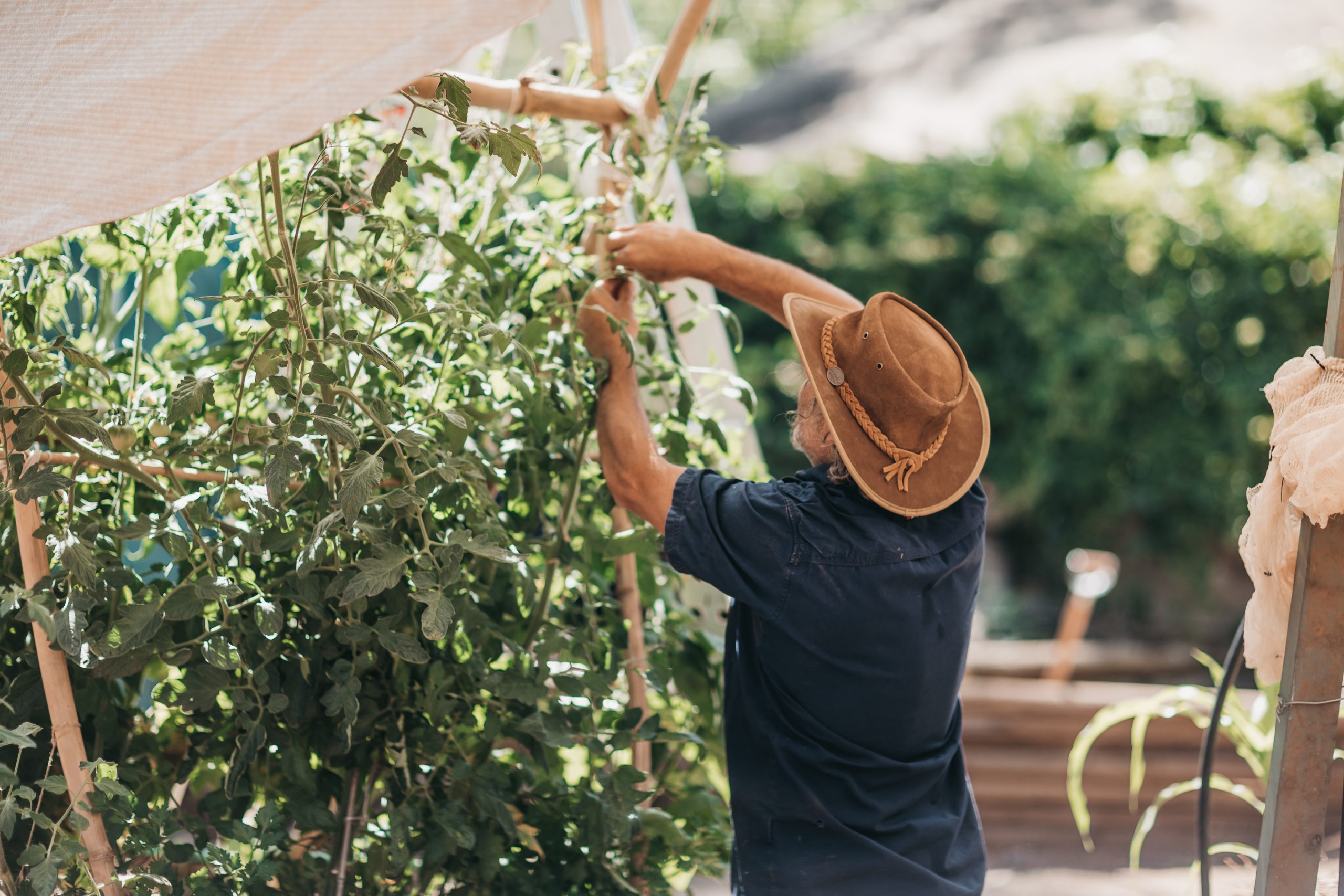
"There’s no perfect gardener. There’s always something to learn.."
02
Using smoke water to encourage germination
Some Australian native seeds respond to chemicals in smoke that help trigger germination. Smoke water captures those chemicals in water, allowing gardeners to apply the treatment without exposing seeds directly to smoke. It can encourage germination in certain species, although different plants have different requirements.
Here at ErinEarth, we’d been trying smoke water as part of our seed raising. The silver cassia seeds had also been scuffed with sandpaper before sowing.
Even with that preparation, germination was patchy. With plants still needed for the community, we had to think about what else we could do.
03
Trying another approach with cuttings
Alongside sowing seeds, we’d been taking cuttings from plants already growing in our garden, including climbing saltbush. The plan was to take more cuttings and get those growing too.
We were also hoping for success with woolly netbush cuttings, a plant we receive plenty of requests for.
Growing plants from seed is one approach to propagation, but it isn’t the only one. Having several things underway gives us other possibilities when a batch of seeds doesn’t come up.
04
Sharing plants through division
Elsewhere in the greenhouse were dianellas donated by a volunteer. These had been dug from their garden and separated into smaller plants.
Dividing those plants offered another way to grow our collection. It was also a lovely example of how our community contributes to the garden, sharing what they grow so it can take root somewhere new.
05
Notice what changes and keep trying
Gardening means working with living things in changing conditions. Seasons shift, temperatures vary and infestations sometimes become a problem.
Even our greenhouses differ. This one felt about as warm as another greenhouse, but received more light because of its position.
When something doesn’t work, take a look at what’s happening and consider another approach. That can be frustrating, but experimenting is part of the enjoyment, too.
Sow some seeds, try some cuttings and give yourself room to learn along the way. You don’t have to get everything right to enjoy growing things.
Questions from the greenhouse